
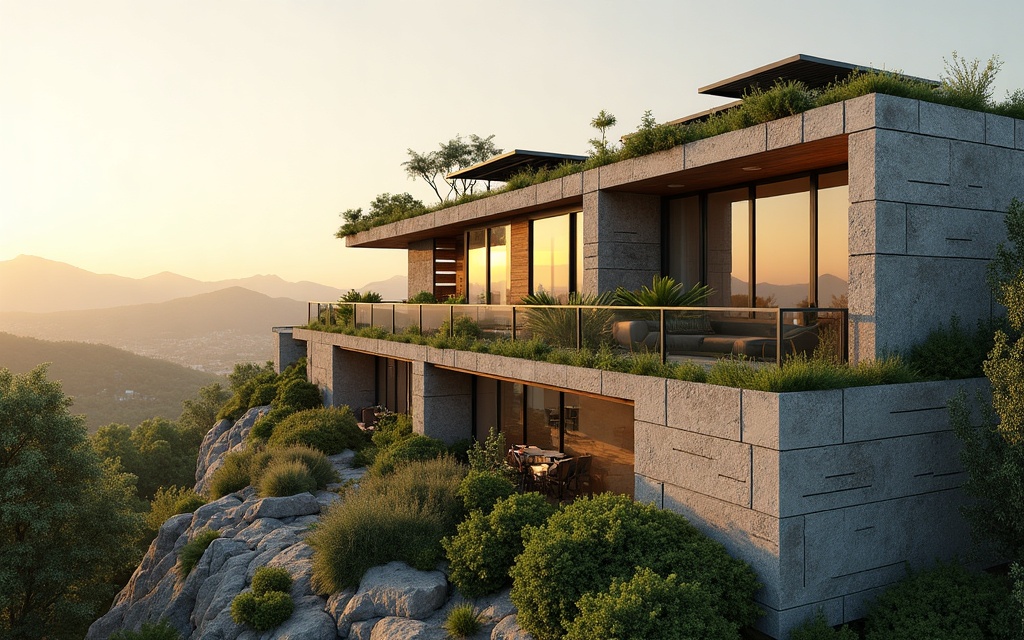
Understanding the Environmental Benefits of Natural Stone
When architects and developers evaluate sustainable building materials, natural stone consistently ranks among the most environmentally responsible choices available. Unlike synthetic alternatives that require intensive chemical processing, natural stone is quarried directly from the earth and undergoes minimal manufacturing transformation. This fundamental characteristic gives it a significantly lower embodied energy compared to materials like concrete, glass, or ceramic tile.
Low Embodied Energy and Carbon Footprint
Embodied energy refers to the total amount of energy consumed during extraction, processing, and transportation. Natural stone requires remarkably little energy to transform from raw block to finished product. Modern quarrying techniques have become increasingly efficient, and advancements in cutting technology mean less waste and reduced power consumption per square meter produced. For projects targeting green building certifications such as LEED or BREEAM, natural stone can contribute valuable points in material selection categories.
Longevity Reduces Replacement Waste
Perhaps the most overlooked sustainability advantage is durability. Natural stone facades, flooring, and cladding routinely last decades or even centuries without requiring replacement. This extraordinary lifespan eliminates the cycle of removal, disposal, and reinstallation that plagues less durable materials. A marble lobby installed today may never need replacement within the building's operational lifetime, effectively reducing long-term waste to near zero.
Selecting Locally Sourced Stone for Sustainable Projects
Transportation distance plays a critical role in the overall environmental impact of any building material. Specifying stone from geographically proximate sources dramatically reduces carbon emissions associated with freight. For European and Middle Eastern projects, Turkey has emerged as a strategic sourcing hub that combines proximity with exceptional variety.
Evaluating Transportation Impacts
When comparing suppliers, request detailed logistics breakdowns. Stone transported via sea freight from Turkey to European ports typically generates lower per-ton emissions than stone trucked overland from distant quarries within the same continent. Atlasia Trading ships from Turkish ports, which keeps transit distances shorter for European and Middle Eastern projects than stone sourced from other continents, with minimized environmental impact.
Leveraging Turkey's Geological Diversity
Turkey possesses some of the world's most diverse stone deposits, including Travertine, marble, limestone, granite, and onyx. This variety means specifiers can often source multiple stone types from a single country rather than coordinating shipments from several continents. Consolidating orders reduces the number of shipping containers required and simplifies supply chain management while maintaining design flexibility.
Design Strategies to Maximize Stone Efficiency
Sustainable building with natural stone extends beyond material selection into how designers specify and detail their projects. Thoughtful design decisions can significantly reduce waste without compromising aesthetic or structural performance.
- Specify appropriate thicknesses: Modern reinforcement technologies allow thinner stone panels for many applications. A 20mm cladding panel often performs identically to a 30mm panel at two-thirds the material volume.
- Design for modular dimensions: Aligning your stone patterns with standard quarry block sizes minimizes off-cut waste. Discuss optimal cutting layouts with your supplier early in the design phase.
- Embrace natural variation: Instead of rejecting stone with veining, fossil inclusions, or color variation, treat these characteristics as design assets. This approach reduces the percentage of material quarried solely to be discarded as unacceptable.
- Consider reclaimed and salvaged stone: For certain applications, reclaimed limestone or marble delivers authentic character while requiring zero new quarrying activity.
Responsible Quarrying and Certification Considerations
Not all stone is extracted with equal environmental care. Architects and procurement specialists should actively investigate quarrying practices before finalizing supplier selection. Responsible operators implement water recycling systems, progressive land rehabilitation plans, and dust management protocols that protect surrounding ecosystems and communities.
What to Request from Suppliers
Ask potential suppliers for documentation regarding their environmental policies. Key indicators include rehabilitation commitments that outline how depleted quarry areas will be restored, water consumption metrics per ton of extracted material, and evidence of worker safety compliance. Suppliers who voluntarily provide this information typically operate at higher standards than those who treat such inquiries as burdensome.
Supply Chain Transparency
Full traceability from quarry to project site is becoming a baseline expectation in sustainable construction. Working with established exporters who maintain direct relationships with quarry operators ensures greater transparency than sourcing through intermediaries with limited visibility into extraction practices. Atlasia Trading buys directly from quarries across Türkiye's major stone regions, so we can tell you which quarry a block came from — clear provenance documentation for every order.
Building a Greener Future with Stone
Natural stone offers a compelling combination of environmental responsibility, enduring beauty, and structural performance that few building materials can match. By selecting locally appropriate sources, designing for material efficiency, and demanding supply chain transparency, design professionals can leverage stone's inherent sustainability advantages to their fullest potential.
Ready to explore sustainable natural stone options for your next project? Contact Atlasia Trading to discuss your specifications, request samples, and learn how Turkish natural stone can elevate both your design vision and your environmental commitments.